


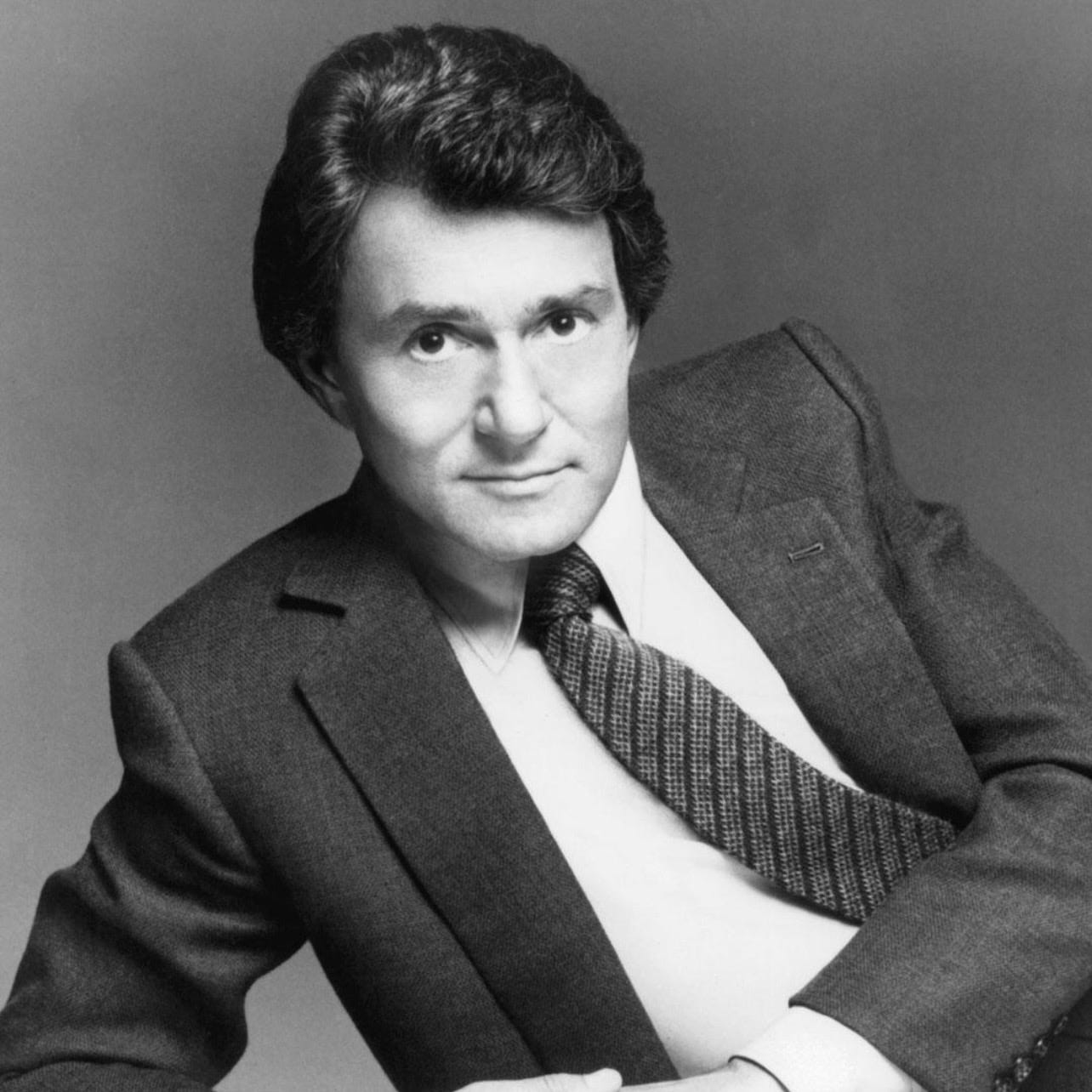
Britain should be prouder of its hairdressers.
We boast about our footballers, bands, actors and fashion designers.
Fair enough.
But hairdressers helped create the look of Britain too.
They gave music a face.
They gave fashion its finish.
They made people walk taller.
That matters.
No British hairdresser proved it more than Vidal Sassoon.
He was not just successful.
He was the king of hairdressing.
No crown.
No throne.
Just a pair of scissors and better ideas than everyone else.
That usually does the trick.
He Started With Nothing
Vidal Sassoon was born in London in 1928.
His father left.
His mother struggled.
He spent years in an orphanage.
He left school at 14.
There was no university.
No family fortune.
No polished route into the fashion world.
There was work.
There was hardship.
And there was a mother who believed hairdressing might give him a future.
Sassoon wanted to be a footballer.
Before the fashion world knew his name, he was just a London lad who loved the game.
He wanted to play football.
He did not grow up dreaming about international salons, academy systems or product empires.
That makes his story better.
He did not arrive looking like a cultural icon.
He became one.
Through work.
Ideas.
Nerve.
Football and hairdressing might look like different worlds from the outside.
They are not.
Both are built on shape, timing, movement and confidence.
Both come alive through working-class culture.
Both are full of people who know far more than the men in suits usually give them credit for.
Sassoon took the discipline and instinct of an ordinary British lad and carried it into hairdressing.
Then he changed the trade.
That part speaks to me.
I left school at 15.
I was dyslexic.
The education system did not know what to do with me, so it did what systems often do.
It carried on without me.
Hairdressing gave me somewhere to begin.
It gave me a trade.
Then it gave me an education.
You learn a lot behind a chair.
You learn people.
You learn confidence.
You learn who wants change and who only says they do.
You learn when to talk.
You learn when to shut up.
You learn what makes somebody feel good about themselves.
Some consultants charge thousands for less.
Sassoon understood the intelligence inside the trade.
He did not ask the world to respect hairdressing.
He made it.
He Did Not Improve the Old System
He replaced it.
When Sassoon entered the industry, women’s hair often depended on rollers, backcombing, dryers and enough lacquer to stop a garden gate.
Hair was forced into shape.
Then the customer returned a week later to have it rebuilt.
That was the model.
Most people learned it.
Sassoon questioned it.
He developed geometric cuts built around the natural shape of the head.
The structure came from the haircut.
The hair moved.
It could be washed.
It fell back into shape.
Simple.
Not easy.
There is a difference.
It sounds obvious now because the best ideas always do once somebody else has done the difficult bit.
Sassoon believed that if the cut was right, the hair should work.
The cut became the style.
That changed everything.
Britain Led the Fashion World
In the 1960s, Britain stopped asking for permission.
London became the centre of the fashion universe.
Young people did not want to dress like their parents.
They did not want their hair either.
Mary Quant changed fashion.
The Beatles and the Rolling Stones changed music.
Twiggy and Jean Shrimpton changed modelling.
David Bailey changed photography.
Vidal Sassoon changed hair.
They were not separate stories.
They were one British explosion.
The clothes needed the hair.
The hair needed the photography.
The photography needed the faces.
The music gave the whole thing a heartbeat.
Britain did not follow fashion.
Britain made it.
Sassoon stood in the middle of that world.
His cuts were sharp.
Modern.
Clean.
Brave.
The world looked to London to see what came next.
British hairdressers should remember that.
We were not standing at the back carrying the bags.
We were leading the parade.
Why Sassoon Matters to Me
I started Hairbond in 2008 after years behind the chair and running The Cutting Room in Lancaster.
Hairbond did not begin in a boardroom.
Nobody arrived with a mood board and the phrase consumer journey.
Thank God.
It came from the salon floor.
It came from using products every day.
It came from listening to customers.
It came from knowing what worked, what smelled right and what men would actually take home.
I wanted Hairbond to feel British.
Confident.
Creative.
A little rebellious.
Serious about performance.
Not painfully serious about itself.
Sassoon inspires me because he understood that hairdressing could become more than the appointment in front of him.
It could become an idea.
A method.
A name.
A movement.
That is the larger ambition behind Hairbond.
Not just to sell jars.
Plenty of people sell jars.
Some even write premium on the front and hope nobody asks any further questions.
Hairbond should stand for British hair, British creativity and the people behind the chair.
Otherwise, it is only packaging.
His Work Spoke Before the Logo
Sassoon’s five point cut became one of the defining looks of the 1960s.
He worked with Mary Quant, Jean Shrimpton and Mia Farrow.
His work was recognisable.
That is the mark of greatness.
A Sassoon haircut did not need a giant logo.
The shape carried the name.
That is what every strong brand should aim for.
The work should be known before the label appears.
The modern hair market often works the other way round.
Another black tub.
Another beard.
Another man staring into the middle distance.
Another claim about being premium.
Another brand manager explaining barber culture after visiting Shoreditch twice.
Sassoon put the substance first.
The technique was clear.
The philosophy was clear.
The brand became powerful because the work deserved it.
That is how Hairbond should be judged.
Not by whether we can shout louder than the multinationals.
By whether the products, story and point of view are strong enough to be recognised as ours.
He Raised the Whole Trade
Sassoon changed how people saw the hairdresser.
The hairdresser could be a designer.
An architect.
A teacher.
A cultural figure.
A businessman.
He proved intelligence does not only live in universities, laboratories or boardrooms.
It can live in somebody’s hands.
I have met some of the sharpest people in my life inside salons and barbershops.
They understand people.
Trust.
Timing.
Presentation.
Confidence.
They do not always talk like corporate consultants.
Good.
Nobody needs more of that.
Their intelligence works in the real world.
Sassoon gave that intelligence a global stage.
He Built a System
Many people are talented.
Fewer can explain what they do.
Fewer still can teach it.
Sassoon could.
He built salons.
He built academies.
He built a method.
Sections.
Angles.
Lines.
Graduation.
Balance.
Precision.
It was not guesswork.
It was discipline.
He turned instinct into education.
That may have been his greatest achievement.
There is a lesson there for Hairbond.
A brand should teach, not just sell.
Hairbond should help barbers, hairdressers and customers understand hair types, finishes, techniques, trends and history.
Products can be copied.
Usually badly, but copied all the same.
Knowledge is harder to steal.
A jar sits on a shelf.
An idea travels.
Britain Should Have More Confidence
Britain has produced some of the greatest hairdressers in history.
Vidal Sassoon.
Raymond Bessone.
Trevor Sorbie.
John Frieda.
Nicky Clarke.
Anthony Mascolo.
And thousands more whose names never became famous but whose work changed how people felt about themselves.
British hairdressing became respected because it mixed technique with creativity and attitude.
That heritage is not dusty.
It is not polite.
It is not a Union Jack slapped onto a box by somebody in procurement.
It is working class.
It is inventive.
It is technically brilliant.
It has nerve.
It looks at the accepted way and says:
No.
We can do that better.
That is the heritage Hairbond should represent.
Not nostalgia.
Not corporate theatre.
A living British idea.
Britain helped write the language of modern hair.
It should stop mumbling.
Hairbond Must Back the Trade
The modern hair industry is crowded with private equity, wholesaler power and generic brands pretending to understand culture.
Barbers and hairdressers recommend the products.
They build the trust.
They create the customer.
Then the customer is sent online to buy it cheaper elsewhere.
The professional creates the value.
The system takes the sale.
Very clever.
Also rotten.
Hairbond must respect the people behind the chair.
They are not a sales channel.
They are the expert.
They know the hair.
They know the customer.
They built the relationship.
Sassoon did not raise the status of hairdressers so they could become unpaid representatives for corporations.
British hairdressing deserves better.
His Biggest Mistake Was Losing Control
Sassoon eventually sold the commercial rights connected to his name.
He later regretted losing control as the business passed through corporate ownership.
That matters to me.
His name was not just a trademark.
It was his life.
The corporate world saw an asset.
He saw himself.
Founders need to understand that difference.
When a brand grows, people appear with promises.
Reach.
Scale.
Distribution.
Opportunity.
Lovely words.
The presentation shines.
The small print is where the body is buried.
Sassoon’s story proves that building a great name is not enough.
You must protect it.
You must know who owns the trademark.
The customer.
The distribution.
The story.
Lose those and the logo may survive while the meaning dies.
That lesson sits at the heart of how I now think about Hairbond.
Grow it.
Take it international.
Build proper partnerships.
But never sell the soul just to make the turnover graph look prettier.
Why He Inspires Me
Sassoon came from poverty.
He left school young.
He loved football.
He entered a trade people underestimated.
Then he changed the world from inside it.
He did not wait for the establishment to tell him hairdressing mattered.
He proved it.
I relate to that.
I did not come through university or a corporate graduate scheme.
I came through a salon.
I learned from customers, staff, products, suppliers, mistakes and years behind a chair.
Hairbond came from that world.
It is strongest when it remembers it.
Sassoon makes me believe a British hair brand does not need to act smaller than an American corporation or a giant beauty group.
It needs better ideas.
Better products.
A clearer voice.
More nerve.
Less nonsense.
Britain Should Be Proud
Vidal Sassoon was not just a great hairdresser.
He was one of Britain’s great creative figures.
His work belonged beside the music, fashion, photography and art that made Britain the centre of the world.
Every young barber or hairdresser starting at the bottom should know what his life proved.
Your trade does not decide your ceiling.
Your background does not decide your value.
You do not need permission to turn skill into an idea.
An idea into a method.
A method into a name.
That is what I take from Sassoon.
It is what I carry into Hairbond.
Build something British.
Respect the craft.
Back the people behind the chair.
Make products with purpose.
Teach what you know.
Own the name.
Protect the story.
Never accept that British hairdressing belongs at the edge of fashion.
Vidal Sassoon was the British king of hairdressing.
A normal lad who loved football.
A British original who changed the world.
Britain once led the fashion world.
It can lead again.
But first it needs to remember who it is.